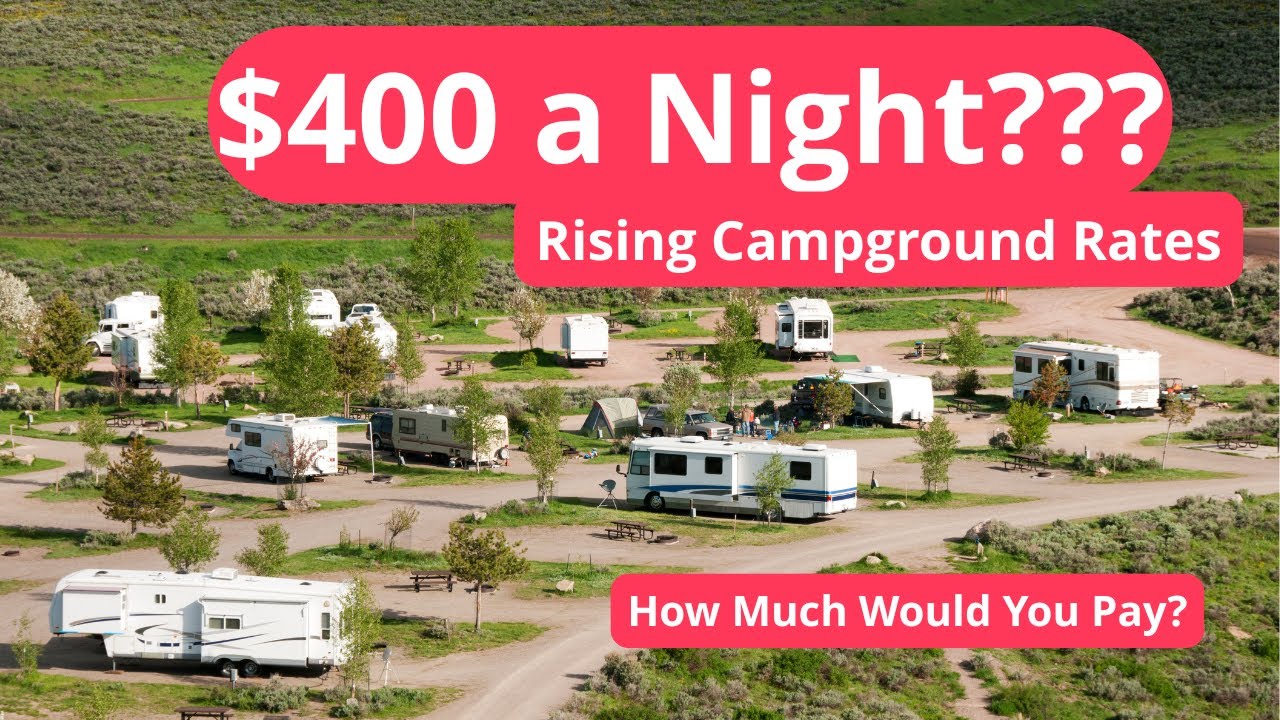
Why Campground Fees Are So High, and What RVers Can Do About Them
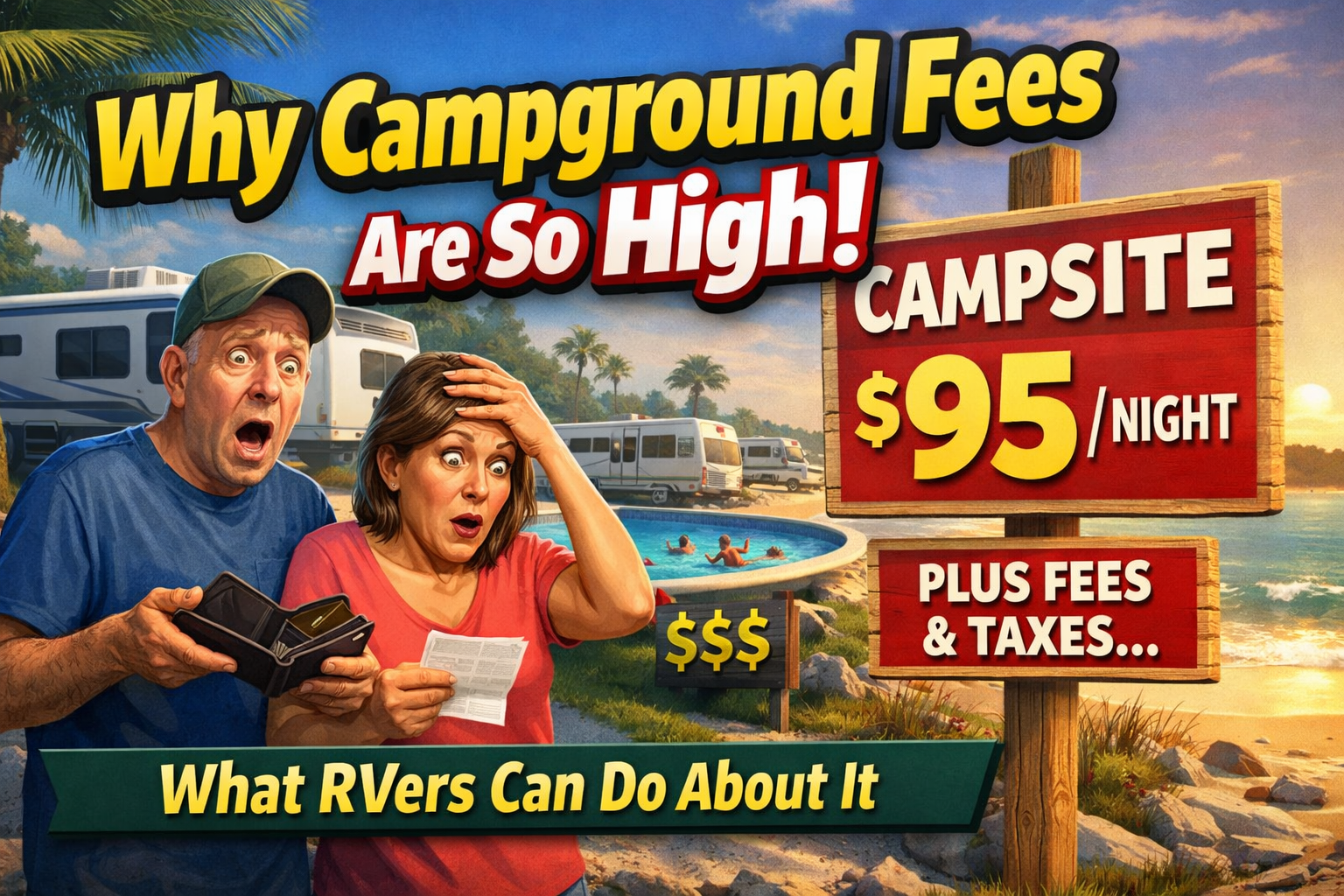
If you have felt a little lightheaded while clicking “Book Now” lately, you are not alone.
Somewhere between picking your campsite and adding the nonrefundable convenience fee, you start doing mental math like a Wall Street trader. “Okay, if we stay three nights, skip the camp store ice cream, and promise ourselves we will not browse the local crafts table, we can still afford dinner.”
And then the final price pops up and you think, “For that kind of money, I should get a spa robe, a concierge, and a guy named Chad who backs me in.”
So what is going on? Why are campground fees so high, and what can RVers do about it?
Let’s pull back the curtain.
More Campers, Same Number of Great Sites
The biggest reason is simple supply and demand.
Camping participation surged after 2019 and has remained strong. According to KOA’s annual industry report, millions more households are camping today than just a few years ago. More people competing for the same prime waterfront, full hookup, level-pad sites naturally drives prices higher.
Building new campgrounds is slow and expensive. Land costs, zoning rules, environmental restrictions, and infrastructure needs make expansion difficult. You cannot just build another Yellowstone next week.
Result: popular parks fill up, and operators price accordingly.
Operating Costs Have Skyrocketed
Campgrounds run on unglamorous essentials: electrical pedestals, water systems, septic infrastructure, bathhouses, laundry facilities, roads, landscaping, and staff to maintain it all. Every one of those costs has increased.
Utilities, insurance, labor, and repair expenses have risen sharply. Even public park systems are feeling the pressure. Michigan state parks, for example, raised camping fees in 2025 citing increased maintenance, staffing, and utility costs.
Campgrounds are not immune to inflation. They are built on infrastructure, and infrastructure is expensive.
Campgrounds Are Becoming Resorts
A lot of RVers say they want simple camping, until the grandkids arrive and suddenly the splash pad becomes essential.
Today’s campers expect more amenities:
High speed WiFi
Pools and water features
Dog parks
Paved sites and patios
Cable TV
Activity programs
Premium waterfront locations
These upgrades cost money to build and maintain, and those costs show up in nightly rates. Many private parks now operate closer to resorts than traditional campgrounds.
Pricing Has Gotten Smarter
Campground pricing increasingly mirrors hotels and airlines. You now see:
Higher weekend rates
Peak season pricing
Holiday premiums
Premium site upgrades
Event pricing
Add-on service fees
Some parks are even experimenting with dynamic pricing, where rates fluctuate based on demand. The same site can cost dramatically different amounts depending on when you book.
That is great for campground revenue. Less great for your travel budget.
What Campgrounds Actually Cost Today
Let’s talk real numbers, because nothing explains campground sticker shock better than seeing the actual price ranges.
Across the United States in 2026, RVers typically pay:
Dry camping or boondocking: $0 to $20 per night
Basic public campgrounds: $20 to $50
Basic private campgrounds with water and electric: $30 to $55
Full hookup private parks: $55 to $90
Luxury RV resorts: $90 to $150 or more
The median nightly rate nationwide sits roughly around $40 to $50, though that climbs quickly depending on location and amenities. A modern commercial RV park with full hookups commonly runs $50 to $120 per night.
In other words, the old expectation of $25 camping still exists, but usually only in rural areas or public parks.
Public Parks Remain the Best Bargain
State and national parks remain the most affordable options, which is why reservations disappear faster than free donuts at a campground potluck.
Typical pricing includes:
State parks: about $10 to $60 per night
National parks: roughly $25 to $60 per night
Electric hookup sites: typically $25 to $40
The tradeoff is fewer amenities and fierce competition for reservations, but they remain the closest thing to traditional camping prices.
What Popular Destinations Really Charge
Now let’s talk about the places everyone wants to visit. This is where pricing jumps quickly.
Florida Keys
Winter in the Florida Keys delivers sunshine, ocean views, and serious sticker shock.
Private RV parks commonly run $100 to $165 per night in peak season
Resort properties can reach $180 or more
Tourism taxes can add another 12 percent or more
Yes, parking your RV can cost as much as a hotel stay in popular areas.
Beach and Waterfront Areas
Water views come with premium pricing.
Coastal RV resorts typically charge $80 to $125 per night
Waterfront sites cost more
Seasonal demand drives large price swings
That sunset view is not free.
Major Tourist Regions and Luxury RV Resorts
In popular destinations like Arizona snowbird areas, Texas winter parks, or upscale resort communities:
Resort level parks often charge $80 to $100 or more
Premium patio sites can exceed $150 per night
Concierge style amenities are increasingly common
This is camping with valet service.
The Hidden Fees Add Up
The posted nightly rate is not always the final price. Many parks now add:
Booking or reservation fees
Extra guest charges
Pet fees
Resort or facility fees
Premium electric service charges
Local taxes
A $69 campsite can quietly become $90 by checkout.
Why It Feels So Expensive
If you have been RVing for years, you are not imagining things. Prices really have climbed.
Sites that once cost $25 often run $40 to $60 today. Locations that charged $40 a decade ago may now approach $90 or more. The shift reflects rising demand, infrastructure costs, and the transformation of campgrounds into resort style destinations.
Camping can still be cheaper than hotel travel, but it is no longer always the bargain it once was.
What RVers Can Do About It
The good news is you are not powerless.
Treat dates like a money lever
Midweek stays and shoulder season travel can dramatically reduce rates. Avoid holidays and peak weekends when possible.
Think weekly or monthly
Many parks offer significant discounts for longer stays. Always ask.
Use discount programs wisely
Memberships like Passport America, Good Sam, or park reward programs can pay off quickly if they match your travel style.
Expand your definition of campground
Consider state and county parks, city parks, fairgrounds, Corps of Engineers facilities, and lesser known public lands, thugh their prices are also on the rise.
Mix in boondocking
Even a few nights of free or low cost camping each week can dramatically lower your average travel costs.
Book early, then watch for deals
Reserve popular locations early but keep checking for cancellations or lower rates.
Vote with your wallet
Support parks that deliver value and fair pricing. Skip the ones that do not.
The Bottom Line
Campground fees are higher because demand is strong, operating costs have risen, amenities have expanded, and pricing has become more sophisticated.
But smart planning, flexible travel, and a willingness to explore alternatives can still make RV travel affordable.
And if you find yourself staring at a reservation screen thinking, “For this price I want room service,” remember this:
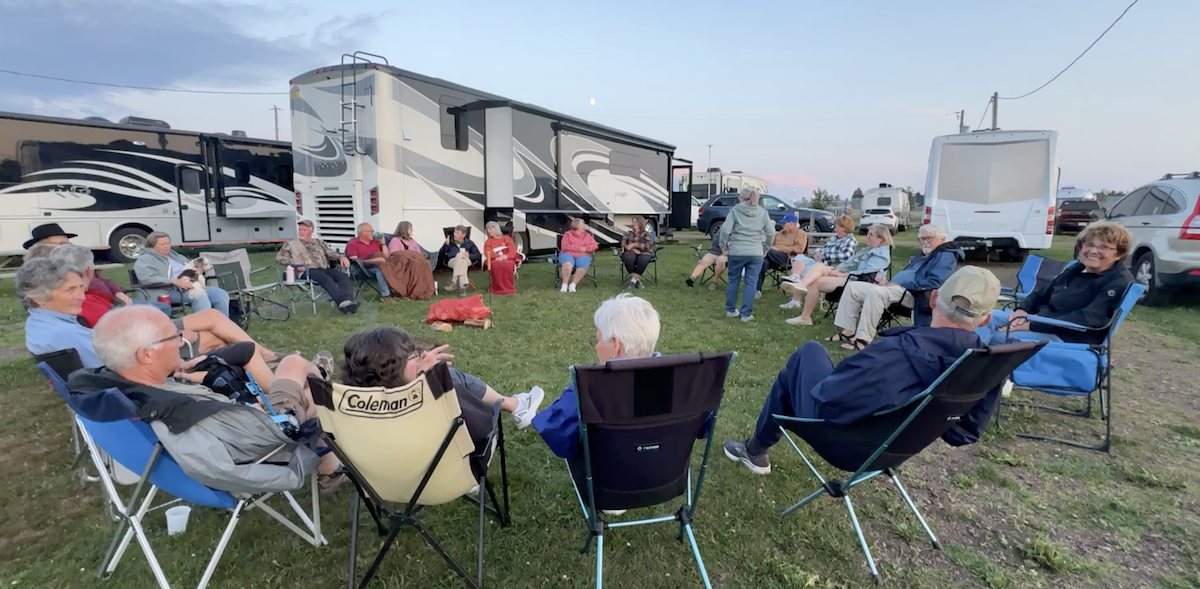
Room service has never delivered a crackling campfire, a lakefront sunrise, or a neighbor who waves like you have been friends for twenty years.
That part is still free.
Happy Trails!

Why I Podcast, In Audio and Video, and Why It Matters