The Worst RV Trip We Ever Took
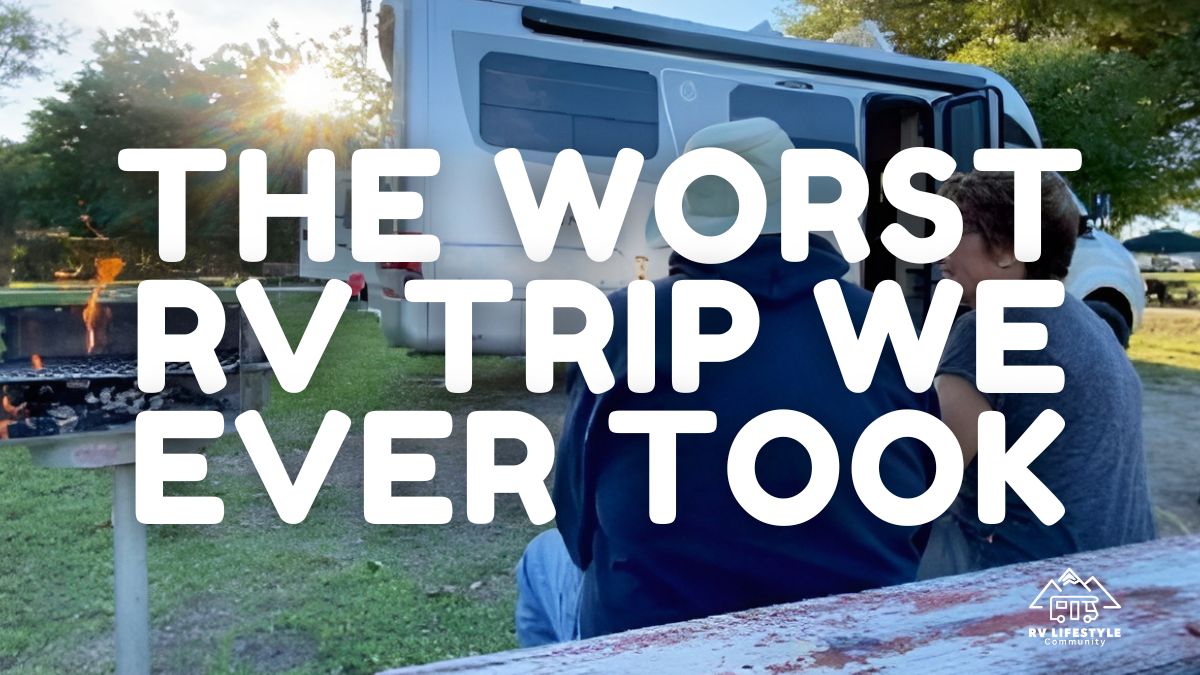
Let me tell you about the worst RV trip we ever took.
It was year three of our RV life, and Jen and I thought we had it all figured out. We planned an ambitious route from Michigan to Montana, mapped every campground, and scheduled every stop. We were going to cover 2,400 miles in six days because, hey, we had places to be and things to see.
By day two, we were barely speaking to each other. By day four, I was so exhausted I nearly sideswiped a car changing lanes. We rolled into our Montana destination physically drained, emotionally fried, and wondering why we'd just spent $600 in gas and campground fees to feel like we'd been through a war.
That trip taught me something crucial: planning an RV trip isn't about plotting the most efficient route or cramming in the most attractions. It's about protecting what matters most, your energy, your relationships, and your ability to actually enjoy the journey.
The 330 Rule Will Save Your Sanity
After that Montana disaster, I started talking to full-time RVers who'd been doing this for decades. The ones who were still smiling. The ones whose marriages survived. And I kept hearing variations of the same wisdom: slow down.
That's when I discovered what I now call the 330 Rule: Drive no more than 330 miles OR stop by 3:30 PM, whichever comes first.
Sounds simple, right? Almost too simple. But this one principle transforms everything.
Here's why it works. Whether you're pulling a 40-foot fifth wheel or driving a small motorhome, you're not averaging highway speeds. You're doing 60-65 mph max. Factor in fuel stops, bathroom breaks, and lunch, and suddenly that "quick" 400-mile day becomes eight hours of driving. You arrive at 6 PM, exhausted and stressed, trying to back into a site in fading light while other campers watch your comedy of errors.
The 330 Rule gives you a completely different day. You drive three to four hours. You arrive by mid-afternoon with energy to spare. You set up camp in daylight. You actually have time to explore the local area, cook a real dinner, and maybe take a walk with your dog. You remember why you're doing this in the first place.
Your GPS Is Lying to You
Here's something that terrifies me every time I see it: new RVers following Google Maps or Apple Maps in their $150,000 motorhome.
Standard GPS apps have no idea you're 13 feet tall or 40 feet long. They'll route you under 12-foot bridges. They'll send you through tunnels that ban propane. They'll put you on steep mountain grades your transmission wasn't built for. RVers get stuck under low clearances all the time. And it's not just embarrassing, it's dangerous and expensive.
This is non-negotiable: you need RV-specific GPS routing. Apps like RV LIFE Trip Wizard let you input your exact height, weight, and length. Better yet, get a dedicated GPS system that can be tailored for your RV - like the Garmin RV 795.
It knows about bridge clearances, propane restrictions, and weight limits. It will route you safely, even if it adds 20 minutes to your drive.
Those 20 minutes? Worth every second compared to explaining to your insurance company why your $200,000 rig is wedged under a railroad bridge.
The Campground Review Trap
Quick question: When you're choosing a campground, where do you look for reviews?
If you answered "Google" or "Facebook," you're falling into the same trap that's cost thousands of RVers their vacation peace of mind.
Here's the problem. Campground owners know how to game mainstream review sites. They post professional photos from the best angle on the sunniest day. They encourage happy campers to leave reviews while quietly ignoring complaints. And some of the seediest operations have figured out how to bury negative feedback.
You need reviews from actual RVers, people who show up in 40-foot rigs and know what matters. You want reviews written by real travelers, often with current photos showing what sites actually look like. They'll tell you about the potholes Google can't see. The trains that pass at 2 AM. The "full hookups" that are really just a water spigot 50 feet away.
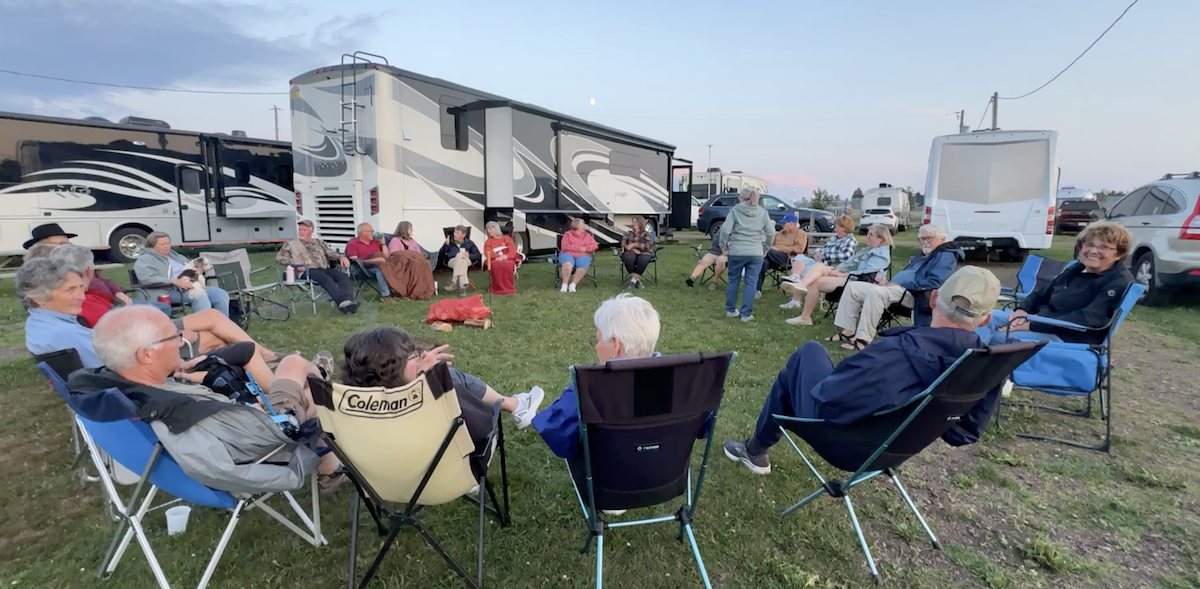
I like CampgroundViews.com for seeing what a campground really looks like. And in our RV Community, you can trust the folks who share their campground experiences. We're ad-free. Totally uninfluenced by corporate sponsors.
Leave Room for Magic
Here's the final piece, the one that took me years to learn.
The best moments of RV life are the ones you don't plan.
That roadside diner where the waitress tells you about the hidden waterfall. The quirky museum you pass on a back road. The local festival happening the weekend you roll into town. The fellow RVer at the campground who becomes a lifelong friend.
If you plan every minute, schedule every stop, and book every night six months in advance, you'll miss all of it. You need space for serendipity. Build in buffer days. Leave yourself the freedom to stay an extra night when you find somewhere special. Say yes to unexpected opportunities.
The open road rewards those who plan enough to feel secure but not so much that they can't pivot when magic appears.
Your Next Step
Everything I just shared? That's barely scratching the surface of what you need to know to plan RV trips that actually work.
On February 5th, I'm leading a live 45-minute RV Trip Planning Workshop where we'll go deep on all of this, plus the budgeting strategies that keep costs manageable, the tools that make planning actually easy, and the framework that lets you sketch a complete trip itinerary in under an hour.
This is the workshop I wish someone had taught me before that nightmare Montana trip. The one that could have saved me hundreds of dollars, countless arguments, and a whole lot of unnecessary stress.
It's free if you are a member of the RV Communuty - just RSVP right here.
Non-members need to pay $10 to attend and click here to register.
Because your dream deserves better than trial and error. See you on the road.

Why Campground Fees Are So High, and What RVers Can Do About Them