The Hidden Dangers of RV Driving
It's easy to get caught up in the freedom and adventure of the open road, but it's essential to be aware of the potential downsides to ensure your long-term well-being. T
his post expands upon the insights shared in our latest podcast episode, Why RVing Is Making So Many People Unhealthy. In that episode, we spoke with a full-time RV couple who are also fitness and healthy living experts, and they shed light on some eye-opening realities.
Introduction: The Unexpected Health Risks of RVing
The allure of the RV lifestyle is undeniable. Imagine waking up to breathtaking views, exploring new destinations at your own pace, and escaping the confines of a traditional home. However, beneath the surface of this idyllic picture lies a potential for health risks that many RVers overlook.
Long hours behind the wheel, irregular sleep schedules, limited access to fresh food, and a sedentary lifestyle can all take a toll on your physical and mental well-being. This isn't meant to scare you, but rather to arm you with the knowledge you need to make informed choices and prioritize your health while enjoying the RV experience. We will explore the less talked-about realities of RVing that have the ability to do real harm.
The RV Lifestyle: A Double-Edged Sword
The RV lifestyle presents a fascinating paradox.
On one hand, it offers incredible opportunities for outdoor recreation, stress reduction, and quality time with loved ones. Hiking, biking, kayaking, and simply being surrounded by nature can have profound positive effects on both physical and mental health.
The ability to escape the daily grind and disconnect from technology can also reduce stress levels and improve overall well-being. On the other hand, the RV lifestyle can also contribute to unhealthy habits. The convenience of processed foods, the temptation to spend hours sitting while driving or relaxing, and the disruption of regular routines can all lead to weight gain, decreased fitness, and increased risk of chronic diseases.
The key is to be mindful of these potential pitfalls and actively incorporate healthy habits into your RV routine.
For example, even if you have a long drive ahead, plan for short breaks every couple of hours to stretch your legs and get your blood flowing. Pack healthy snacks to avoid the temptation of fast food. And prioritize outdoor activities whenever possible.
Expert Insights: A Full-Time RV Couple's Perspective on Health
In our podcast episode, we spoke with a full-time RV couple who are passionate about health and fitness - Jale and Sarah Snyder. Their insights were invaluable, as they shared their personal experiences and practical tips for staying healthy on the road. One of their key points was the importance of consistency.
Maintaining a regular exercise routine, even if it's just 20-30 minutes a day, can make a huge difference in your overall health and energy levels. They also emphasized the importance of meal planning and preparation. By packing healthy meals and snacks, you can avoid the temptation of unhealthy convenience foods and ensure that you're getting the nutrients your body needs.
Furthermore, they highlighted the importance of staying hydrated. Dehydration can lead to fatigue, headaches, and other health problems, so it's essential to drink plenty of water throughout the day. They also stressed the importance of listening to your body and taking breaks when you need them. RVing can be physically demanding, so it's important to avoid overexertion and allow yourself time to rest and recover.
The Startling Truth: How RVing Can Wreck Your Health
Let's be blunt: RVing, if not approached with awareness and intention, can indeed wreck your health.
The combination of factors we've already discussed – long hours of sedentary travel, potential for poor diet due to reliance on processed or readily available foods, disrupted sleep patterns, and the stress of navigating unfamiliar roads and campsites – can have significant negative consequences.
Studies have shown that prolonged sitting can increase the risk of heart disease, diabetes, and obesity. A diet high in processed foods can lead to nutrient deficiencies and inflammation. Irregular sleep can disrupt your circadian rhythm and weaken your immune system. And chronic stress can contribute to a variety of health problems, including high blood pressure, anxiety, and depression.
It's not all doom and gloom. The key is to be proactive in mitigating these risks. This involves making conscious choices to prioritize your health, such as incorporating regular exercise into your routine, eating a balanced diet, and getting enough sleep. It also involves being mindful of your stress levels and finding healthy ways to cope with stress, such as meditation, yoga, or spending time in nature.
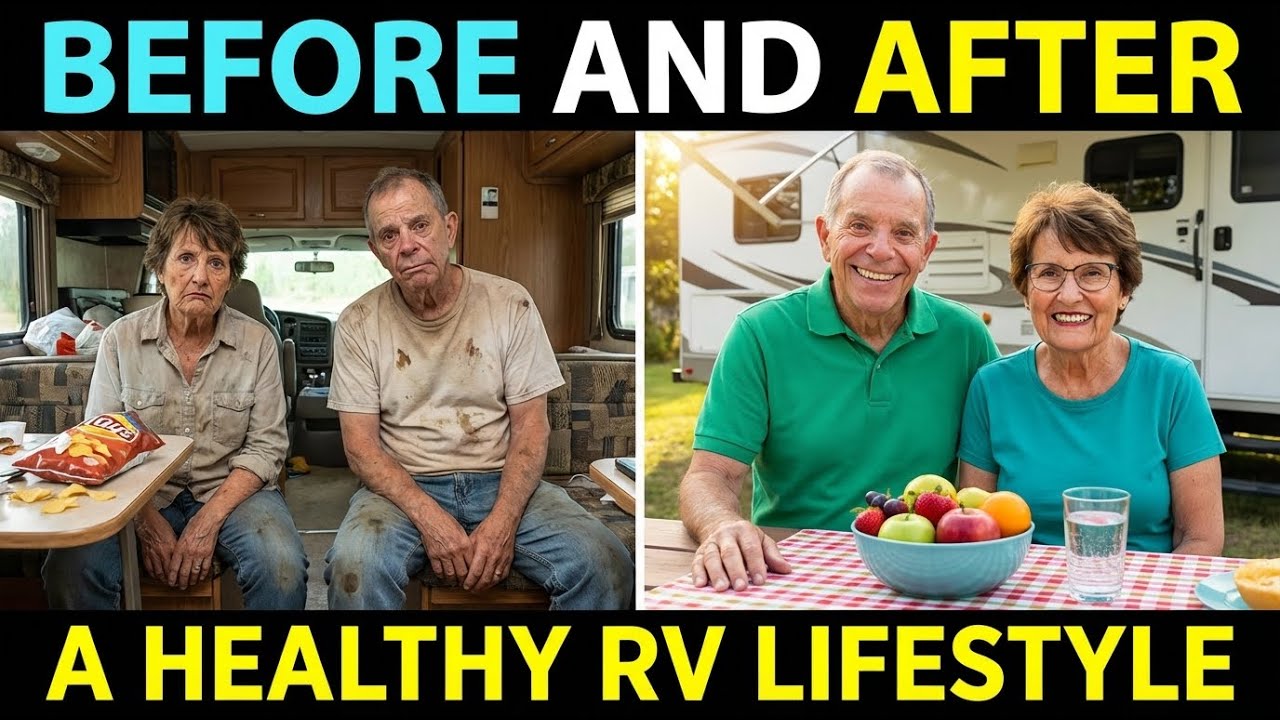
Counteracting Aging: Simple Tweaks for a Healthier RV Life
The good news is that you can counteract the aging effects of the RV lifestyle with a few simple tweaks to your daily habits. Here are some practical tips:
- Prioritize Sleep: Aim for 7-8 hours of quality sleep each night. Create a relaxing bedtime routine, avoid caffeine and alcohol before bed, and make sure your RV is dark, quiet, and cool.
- Eat a Balanced Diet: Focus on whole, unprocessed foods, such as fruits, vegetables, lean protein, and whole grains. Pack healthy snacks to avoid the temptation of unhealthy convenience foods.
- Stay Hydrated: Drink plenty of water throughout the day. Carry a reusable water bottle with you and refill it frequently.
- Exercise Regularly: Aim for at least 30 minutes of moderate-intensity exercise most days of the week. This could include hiking, biking, swimming, or simply walking around your campsite.
- Stretch and Move: Take frequent breaks to stretch and move your body, especially during long drives. This will help improve circulation and prevent stiffness.
- Manage Stress: Find healthy ways to cope with stress, such as meditation, yoga, or spending time in nature.
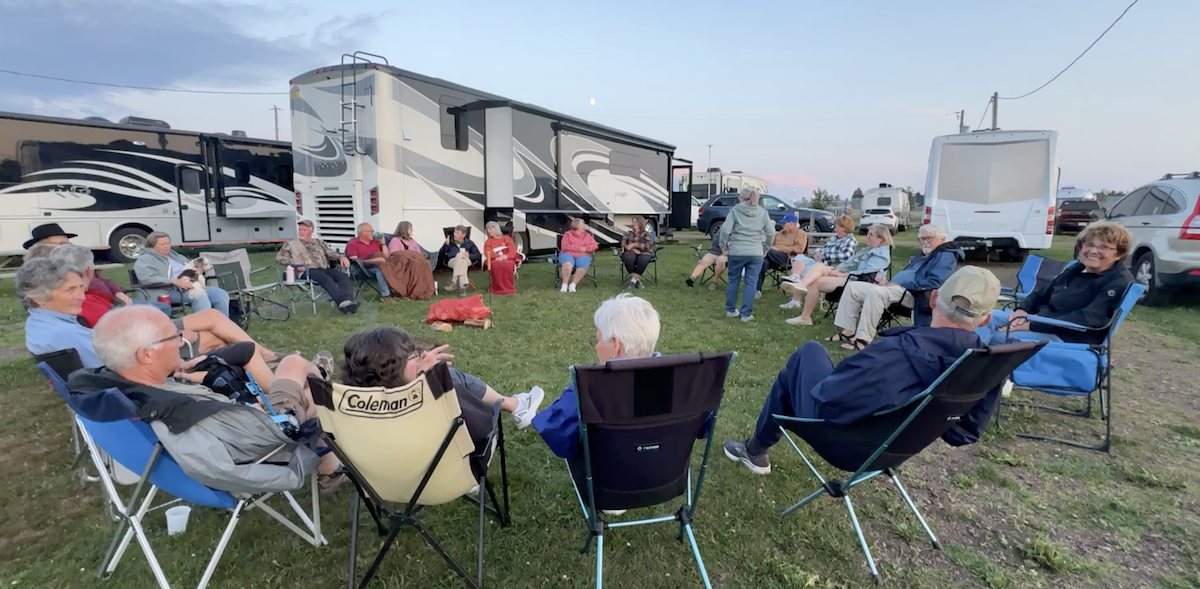
- Socialize: Connect with other RVers and build a supportive community. Social interaction can help reduce stress and improve overall well-being.
- Get Regular Checkups: Schedule regular checkups with your doctor and dentist to ensure that you're staying on top of your health.
These small changes can add up to big improvements in your health and well-being. By making a conscious effort to prioritize your health, you can enjoy the RV lifestyle for many years to come.
The Dangers of Long Hours Behind the Wheel
One of the most significant health risks associated with RV driving is the potential for fatigue and decreased alertness due to long hours behind the wheel.
Driving for extended periods can lead to muscle stiffness, back pain, and an increased risk of accidents. It's crucial to be aware of the warning signs of fatigue, such as drowsiness, difficulty concentrating, and impaired judgment. If you start to feel tired, pull over to a safe location and take a break.
Get out of the RV, stretch your legs, and get some fresh air. If you're feeling extremely tired, consider taking a nap. It's also important to plan your driving routes carefully and avoid driving for more than 8 hours in a day. Share the driving responsibilities with another person whenever possible. And be sure to get enough sleep before embarking on a long drive.
Using cruise control can help reduce physical strain, but remember it's not a substitute for staying alert. Also, be aware of medications that may cause drowsiness and avoid taking them before or during driving. Always prioritize safety and never drive when you're feeling fatigued.
Conclusion
The RV lifestyle offers incredible opportunities for adventure and freedom, but it's essential to be aware of the potential health risks and take steps to mitigate them. Long hours of driving, irregular sleep schedules, limited access to fresh food, and a sedentary lifestyle can all take a toll on your physical and mental well-being.
By prioritizing sleep, eating a balanced diet, staying hydrated, exercising regularly, managing stress, and socializing with others, you can counteract the aging effects of the RV lifestyle and enjoy the open road for many years to come. Remember to listen to your body, take breaks when you need them, and always prioritize safety.
For more in-depth insights and practical tips, be sure to listen to our latest podcast episode, Why RVing Is Making So Many People Unhealthy. There, we explore these issues in greater detail and provide actionable strategies for staying healthy on the road. Happy and healthy RVing!

Why Campground Fees Are So High, and What RVers Can Do About Them