Organizing RV Travel Photos: Turning Memories into Photo Books
Do you love RV travel and taking photos? If so, you're probably like us, capturing every scenic vista, quirky roadside attraction, and memorable moment along the way.
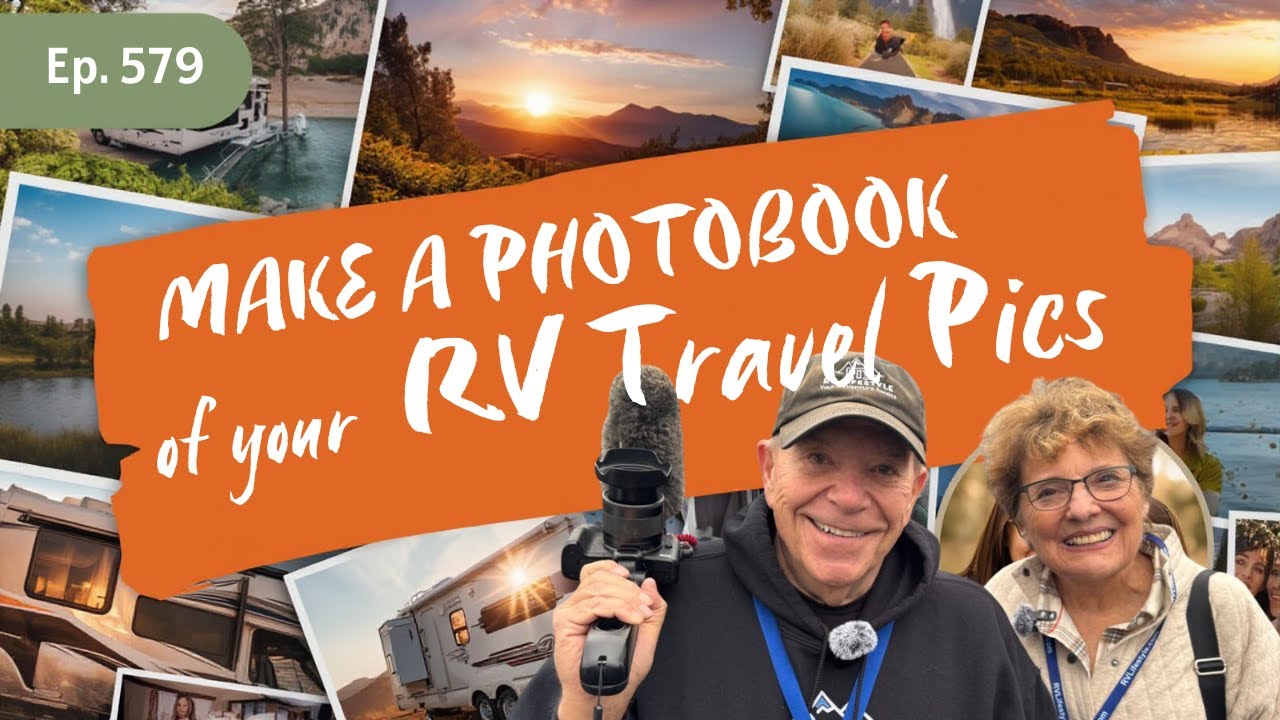
But what happens to those thousands of photos once you return home? They often end up buried on your phone or computer, rarely revisited. In this blog post, inspired by our recent podcast episode, we'll explore practical tips for organizing your RV travel photos and creating beautiful photo books to preserve your memories. We’ll share insights from an experienced RVer who has mastered the art of turning digital images into tangible keepsakes.
Introduction: The Joy of RV Travel and Photo Memories
RV travel is about more than just seeing new places; it’s about creating lasting memories. Whether you're exploring national parks, relaxing by a lake, or meeting fellow travelers, each experience adds a unique chapter to your life's story. Photos are a natural way to capture these moments, allowing you to relive the joy and excitement of your adventures. But let's face it, the sheer volume of photos we take can quickly become overwhelming. Without a system for organizing and preserving them, these precious memories risk fading into digital obscurity.
The Challenge: Thousands of RV Travel Photos
In today's digital age, it's easier than ever to snap hundreds, even thousands, of photos on a single RV trip. Smartphones and digital cameras have made photography accessible to everyone, and the cost of storage is relatively low. However, this ease of access can lead to "photo overload." Many RVers find themselves with overflowing photo libraries, making it difficult to find specific images or even browse through their collections. The challenge lies in transforming this mass of digital files into something meaningful and enjoyable.
Meet Rita Neumann: Turning RV Adventures into Photo Books
In our recent podcast episode, we spoke with Rita Neumann, an avid RVer who has found a creative and effective way to manage her travel photos. Rita takes thousands of photos on her RV trips each year, primarily using her smartphone. Instead of letting these photos languish on her devices, she transforms them into annual photo books. These books become cherished keepsakes, allowing her to relive her adventures and share them with family and friends.
Rita's system is surprisingly simple, yet incredibly impactful. She has developed a process for organizing, backing up, and curating her photos, making it easy to create beautiful photo books year after year.
Rita's System: Organizing and Backing Up Photos
Rita's system begins with a consistent approach to organizing her photos. As soon as she returns from an RV trip, she downloads all her photos from her phone to her computer. She then creates folders for each trip, named with the year and destination. Within each trip folder, she creates subfolders for specific locations or events. For example, a trip to Yellowstone National Park might have subfolders for "Old Faithful," "Grand Canyon of the Yellowstone," and "Wildlife Sightings." This hierarchical structure makes it easy to find specific photos later on.
Rita also emphasizes the importance of backing up her photos. She uses a combination of local and cloud-based backups to ensure that her memories are safe from data loss. She backs up her photos to an external hard drive and also uses a cloud storage service like Google Photos or iCloud. This redundancy provides peace of mind, knowing that her photos are protected even if her computer or hard drive fails.
Another key aspect of Rita's system is culling and editing her photos. She doesn't keep every single photo she takes. Instead, she goes through each trip folder and deletes blurry, poorly composed, or redundant images. She also makes basic edits to improve the brightness, contrast, and color of her photos. This process streamlines her photo library and makes it easier to find the best images for her photo books.
Creating Photo Books: A Tangible Way to Relive Memories
For Rita, the ultimate goal of organizing her photos is to create photo books. She believes that photo books offer a tangible and meaningful way to relive her RV adventures. Unlike digital photos that can be easily forgotten, photo books are physical objects that can be held, touched, and shared. They tell a story, capturing the essence of each trip and preserving the memories for years to come.
Rita approaches the creation of her photo books with a focus on storytelling. She doesn't just randomly insert photos into the book. Instead, she arranges them in a chronological order, creating a narrative of her trip. She includes captions to provide context and add personal anecdotes. She also incorporates mementos like ticket stubs, maps, and brochures to enhance the storytelling experience. The result is a beautifully crafted photo book that captures the spirit of her RV adventure.
Shutterfly: Rita's Recommended Service
Rita uses Shutterfly, https://www.shutterfly.com/, to create her photo books. She praises Shutterfly for its user-friendly interface, customizable templates, and high-quality printing. Shutterfly offers a wide range of photo book sizes, styles, and layouts, allowing her to create books that perfectly match her preferences. She also appreciates Shutterfly's editing tools, which allow her to fine-tune her photos and add special effects. Additionally, Shutterfly often offers discounts and promotions, making photo book creation more affordable.
While Shutterfly is Rita's preferred service, there are many other options available, such as Mixbook, Artifact Uprising, and Chatbooks. Each service has its own strengths and weaknesses, so it's important to research and compare them before making a decision. Consider factors like price, customization options, print quality, and ease of use.
Organizing Grandchildren Pictures
In addition to her RV travel photos, Rita also has a system for organizing her grandchildren's pictures. Like many grandparents, she takes countless photos of her grandchildren, capturing their milestones and everyday moments. To avoid photo overload, she creates separate folders for each grandchild, named with their name and year. Within each folder, she creates subfolders for specific events or activities, such as "Birthday Parties," "School Plays," and "Holiday Celebrations."
Rita also involves her grandchildren in the photo organization process. She lets them help her choose the best photos and write captions. This not only helps her organize her photos but also creates a fun and bonding experience. She also creates photo books specifically for her grandchildren, featuring their photos and stories. These books become treasured gifts, allowing them to relive their childhood memories and share them with future generations.
Benefits of Photo Books: Sharing and Enjoying Memories
The benefits of creating photo books extend beyond simply preserving memories. Photo books provide a tangible way to share your experiences with family and friends. They make great gifts for birthdays, holidays, and other special occasions. They also serve as conversation starters, allowing you to reminisce about your RV adventures and share your stories with others.
Photo books also offer a unique way to enjoy your memories. Unlike digital photos that can be easily overlooked, photo books are physical objects that you can browse through anytime you want. They provide a sensory experience, allowing you to feel the paper, see the colors, and read the captions. This tactile experience can enhance your memories and make them more vivid and emotional.
Practical Tips for Organizing RV Travel Photos
Here are some practical tips to help you organize your RV travel photos and create beautiful photo books:
- Establish a consistent file naming system: Use a clear and consistent naming convention for your photo files and folders. This will make it easier to find specific photos later on.
- Cull and edit your photos regularly: Don't keep every single photo you take. Take the time to delete blurry, poorly composed, or redundant images. Make basic edits to improve the brightness, contrast, and color of your photos.
- Back up your photos to multiple locations: Use a combination of local and cloud-based backups to ensure that your memories are safe from data loss.
- Create a storytelling approach for your photo books: Arrange your photos in a chronological order, creating a narrative of your trip. Include captions to provide context and add personal anecdotes.
- Incorporate mementos into your photo books: Add ticket stubs, maps, brochures, and other mementos to enhance the storytelling experience.
- Involve your family in the photo organization process: Let your family help you choose the best photos and write captions. This can create a fun and bonding experience.
- Experiment with different photo book services: Research and compare different photo book services to find one that meets your needs and budget.
- Take advantage of discounts and promotions: Many photo book services offer discounts and promotions throughout the year. Keep an eye out for these deals to save money on your photo book creations.
- Don't be afraid to get creative: Experiment with different layouts, fonts, and design elements to create photo books that reflect your personal style.
Conclusion: Preserve Your RV Memories
Organizing your RV travel photos and creating photo books may seem like a daunting task, but it's an investment that will pay off in the long run. By implementing a simple system for organizing, backing up, and curating your photos, you can transform your digital memories into tangible keepsakes that you will cherish for years to come.
As we learned from Rita Neumann in our podcast episode, photo books offer a unique and meaningful way to relive your RV adventures, share them with loved ones, and pass them on to future generations. So, start organizing your photos today and create a legacy of RV memories that will be enjoyed for years to come.

Why Campground Fees Are So High, and What RVers Can Do About Them