


Feb. 17, 2021
11 Crucial Emergency Winterization Tips for Campers Caught in Sudden Cold



We have emergency winterization tips for RVers and campers caught in sudden cold. What a mess. Historic low temperatures, snow in places where it is all but unheard of. Power outages. Freezing water pipes. All this has been the plight of thousands of RVers whose getaways to what they thought would be warm places turned out to be anything but! Many of the campers caught in sudden cold were not ready! The campers hit by the February 2021 cold snap have been for the most part totally unprepared. Areas, where snowbird RVers would normally expect temperatures to be in the 60s and 70s, have plunged to the single digits. Heavy snow and ice have resulted in massive power outages. And RVers, snowbound and stuck in sometimes powerless campgrounds, are finding their RVs getting uncomfortable cold, pipes freezing and propane needed for heating and gasoline needed for generators running low. In Episode 332 of the RV Podcast, we hear from several of them. You can hear their firsthand reports in the player below, staring about 21:30 in. Campers caught in sudden cold share their stories and emergency winterization tips It's no fun for campers caught in sudden cold if unprepared! That's what happened to many snowbirds who thought they were heading to nice warm southern weather. A cold motorhome in Memphis RV Lifestyle Facebook Group Member Laurie Sollas was camping in her 34-foot motorhome in Memphis, TN, when the cold and snow hit. "We filled our propane tank on Sunday ahead of the snow," she said. "We are now below a half of a tank and hoping not to run out. Temps won’t be above freezing until Saturday and we have six inches of snow on the ground. We are expecting another 3 to 4 inches later this week. Our gray water tank froze. We finally managed to thaw and drain it. So, we are putting nothing in any of the tanks. We are using bottled water. This is no fun." Waterless in Waco Marlene Hacenfuss Wacek was at a Corps of Engineers campground in Waco, TX where the cold and unusual snow brought rolling power blackouts. "There is no water," she said. "The low last night was about 4 degrees and the high today was about 17. This is colder than home, which is the Buffalo, NY area! Marlene and her family were in a popup camper with "a huge tarp thrown over the whole thing to help with the howling winds." The good news is the propane furnace in the camper works great, she reported. "We're keeping at the lowest setting so we don't burn through as much as fast, so we're about 60-65 degrees. Also have two ceramic heaters to help. Had the foresight to get water in gallon jugs before the spigots froze. There's no water anywhere in the campground or the bathroom and the stores are completely wiped out. This is nuts! Frozen in Ft. Polk Jennifer Romeyn was amping in Ft. Polk, LA, where the temperature dropped to 12 degrees at night. "We knew it was coming, said Jennifer. "We emptied the black and gray tanks yesterday and added pink stuff (RV antifreeze) to them. We filled the freshwater tank and disconnected from city water. We woke up this morning and the supply line to the toilet was frozen. We put a heater on the floor and it thawed quickly. Other neighbors in the park are frozen and have no water." Putting a skirt around the trailer in Alabama Sharon Hamilton was camping in her trailer in Town Creek, AL when the freeze warnings were issued. "I bought black plastic sheeting and gorilla tape," she said. "With those, I made make-shift skirting around the trailer. Unhooked the water. Using bottled water. I have all the faucets open. Am keeping the furnace on 60 so I won’t use as much propane and it will heat the underbelly. So far we still have electricity, but I have an onboard generator and 30 gal of gas, just in case. Hoping the propane doesn’t run out before this is over." Throughout a huge swath of the country, from Texas to the Florida panhandle, RVers reported long lines for propane, with some places selling out. RV antifreeze was in short supply There were also problems with RV antifreeze running out, as camper Yvonne Maddox reported from Texas, where the temperature was 18 degrees. "Couldn’t find any antifreeze anywhere so we covered the bottoms of the RV with plastic and put heaters under the RV and turned on the heaters inside," she said. "It's holding in the 40s under the Rvs so far! Hooked them up to our bus so that when the power went off, the heaters were powered by the bus generator." Emergency Winterization Tips for your RV or Camper Emergency winterization tips can help if you are among campers caught in sudden cold As you just read above, you can see how ingenious some of the RVers are in trying to cope with the sudden cold. Nobody saw this coming. But from the experiences being reported by campers caught in sudden cold all over the south, there are some emergency winterization tips and cold weather preparation suggestions we can pass along. What to do if you are among campers caught in sudden cold: Our list of emergency winterization tips: The first and best of the emergency winterization tips we can offer those whose RVs are not already winterized is that when a hard freeze is expected (28 degrees at night and continued sub-freezing temps during the day) drive out of the area. Seek warmer climates if at all possible. If your RV has not been winterized and you've been using your plumbing system, your pipes will freeze. And if they break, you will be facing a major repair job. In the wintertime, always carry two or three bottles of RV antifreeze, even if you do not expect cold weather on your trip. The weather can change in a matter of hours. Please note: USE ONLY RV ANTIFREEZE in your RV or camper. Regular automotive antifreeze is toxic. If you put it down your tanks or in your plumbing your entire system will need to be sanitized before you can use it again. RV antifreeze - the "pink stuff" - is not harmful to you or pets and is the only kind to use in a camper. If you can not move and you are in a campground when the freeze warning comes, drain the freshwater tank and empty the black and grey tanks. Don't burn up your water pump but turn on the taps to get as much water out of the line as possible. Unless the RV park has heated city water hookups, unhook your RV from the water supply. Drain your freshwater hose and put it away. Drain your water heater. If you've never done this, get out the manual. You do not want any water to freeze in there. Do your best to get RV antifreeze into your plumbing system. Many RVers have a bypass valve and hose function that will suck water from a jug of antifreeze. On Amazon, Camco makes a hand pump with a length of hose that will siphon antifreeze into the waterlines. It's good to get this and just carry with you. But if you don't have this when you are hit with sudden cold, after emptying the freshwater tank, pour two to three gallons of RV antifreeze into your freshwater tank and then turn on the water pump and open a faucet till you see pink stuff come out. The sudden cold snap that hit the southern states underscores why we always want to have our propane supply topped off. The first thing that ran out in the current crisis was propane. If you are in a place where you expect to need your heater, fill the LP tank up before setting up camp. Set the thermostat to about 60 degrees to conserve propane and dress in layers to stay warm. Carry along a small ceramic space heater. This is the one Jennifer and I have used for years. It's something like $35 on Amazon. If you are plugged into electricity and in your RV, you will be amazed at how much heat this puts out. Cover the windows. Pull the curtains and blinds. Regular winter campers use a product called Reflectex that is available at home improvement stores. It's like a bubble wrap insulation that cuts very easily and can be fitted into the window openings. When you use the toilet, pour antifreeze down the toilet to flush it until the freeze ends and you have running water again. Outside the RV, try to restrict airflow. Like one of our Facebook members shared above, get to a big box store and pick up a roll of heavy plastic. Wrap it around the RV from the ground to the top of the tires, like a skirt. If you have another one of those ceramic space heaters that you can plug into the campground electric pedestal, put it under the RV beneath the pipes. If a pipe does freeze (like the toilet tank), use a hairdryer to blow hot air down it. That worked for one of our Facebook members as described above. Curious about the gear, gadgets, accessories, and RV products Mike & Jennifer use and recommend? On this RV Lifestyle Travel blog, our RV Podcast and our RV Lifestyle YouTube Channel, we mention all sorts of RV-related products and gear that we use, So we created a special page links to them. We update this all the time. CLICK HERE to go to it directly. Looking for a warm place to explore? It NEVER snows in the Florida keys!
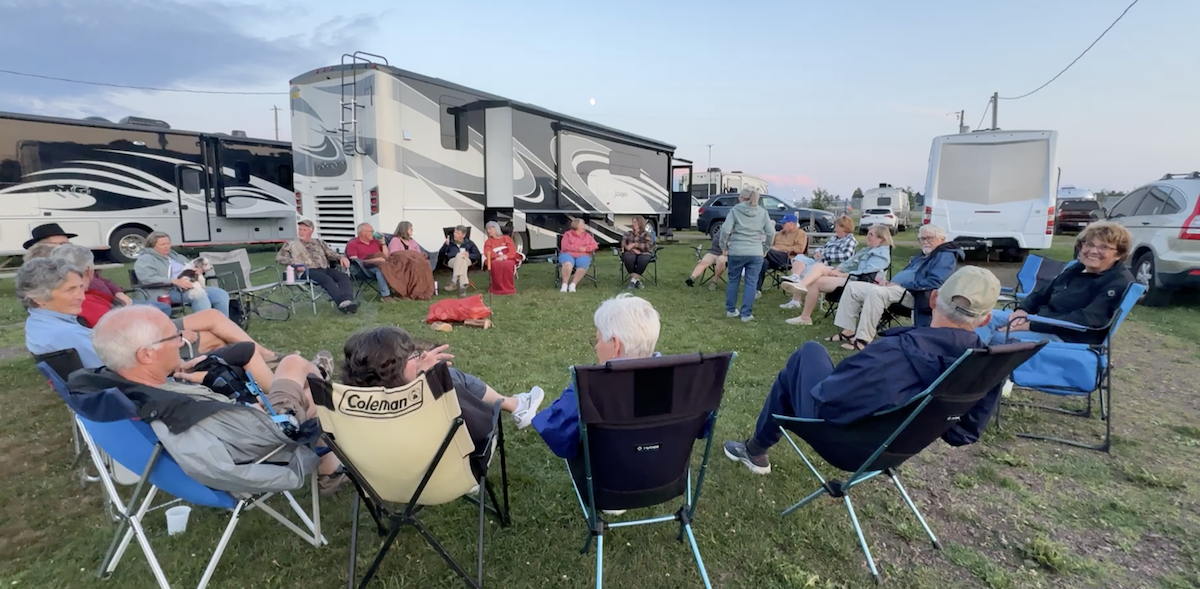
Become a part of the Internet's Best RV Community
Private. Ad Free. No Facebook Nastiness.
RV Travel Tips, Rallies and Meet-Ups, interactive livestreams, exclusive workshops, perks, discounts and Real Help from Real Rvers.